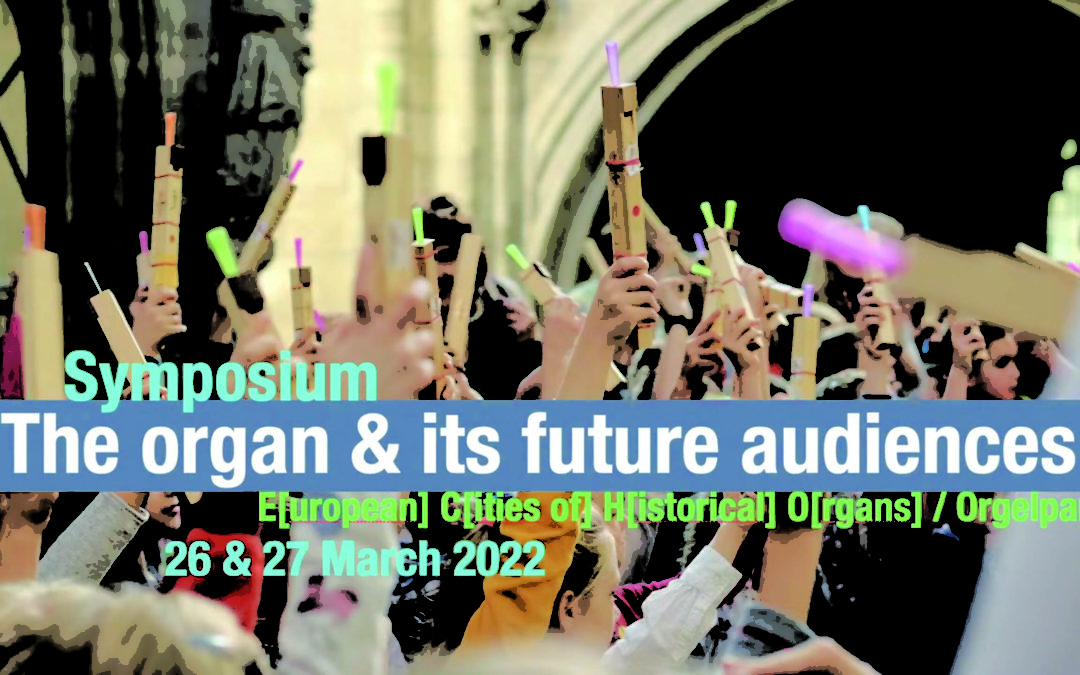
On 26-27 March, 2022, the Orgelpark in Amsterdam sponsored a symposium of the European Cities of Historical Organs (ECHO). The central question was what public there will be in the 21st century for the organ. The organization and presentation were entrusted to...
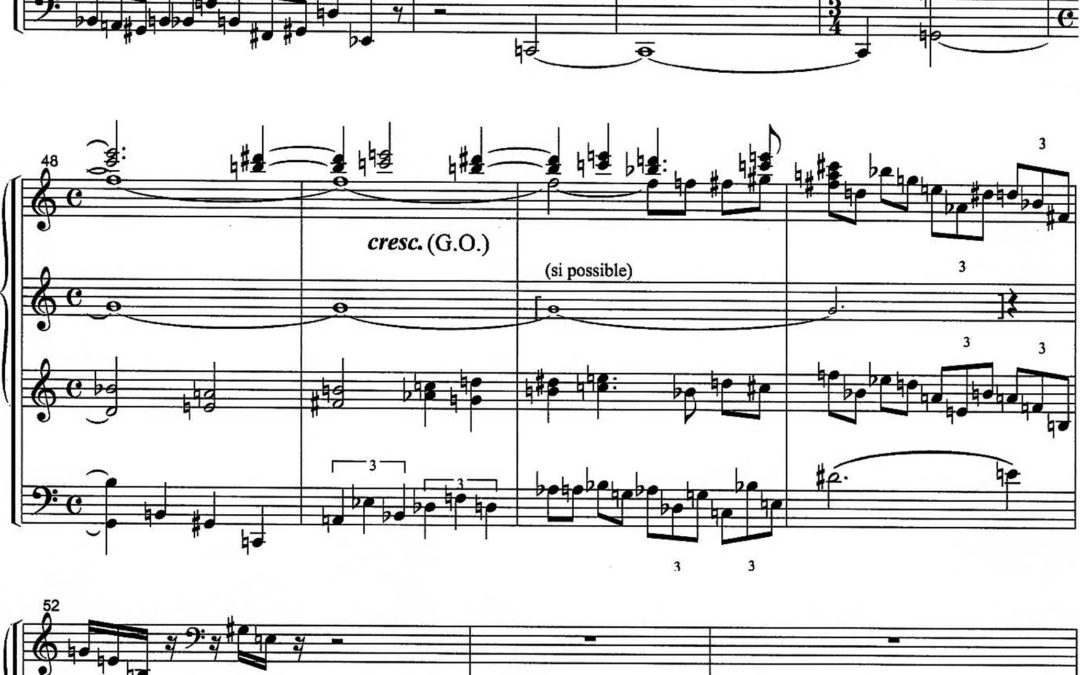
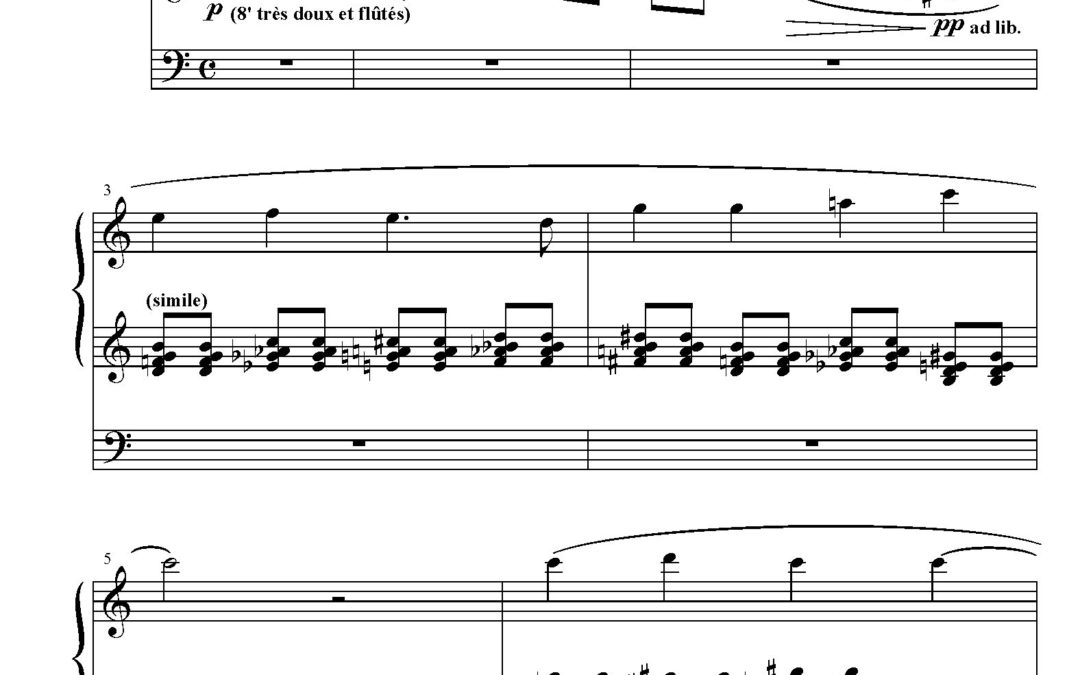
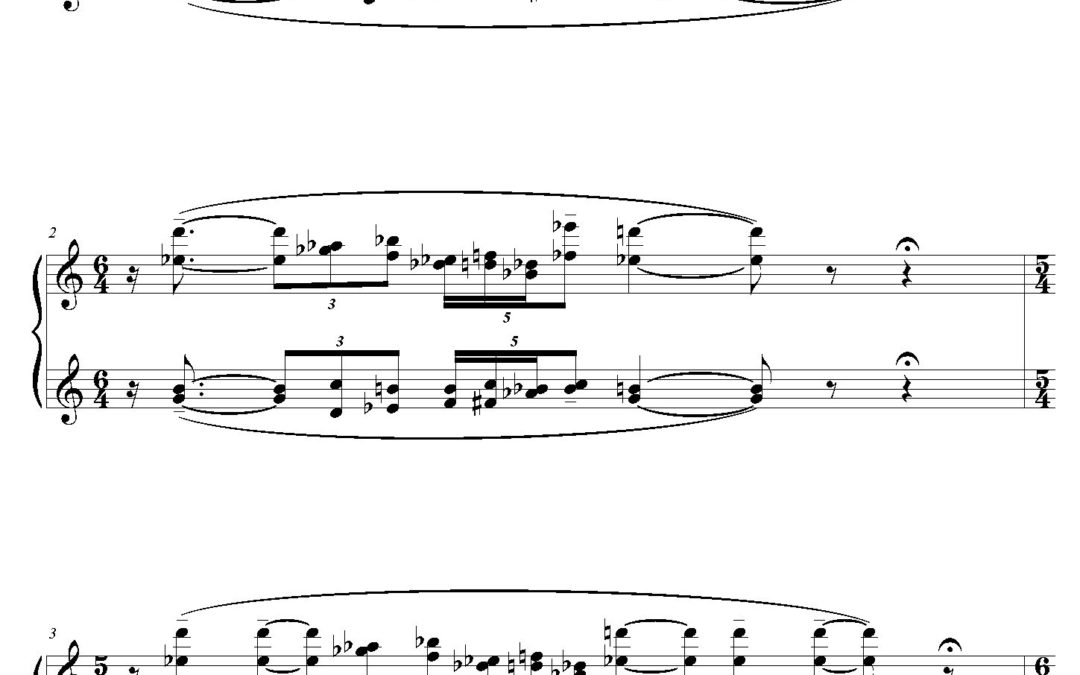
In this short series of articles commemorating the César Franck year 2022, we explore new organ music in France. In this final part there is attention for three composers who have slight connection with the French tradition originating with Tournemire, Dupré, Duruflé...
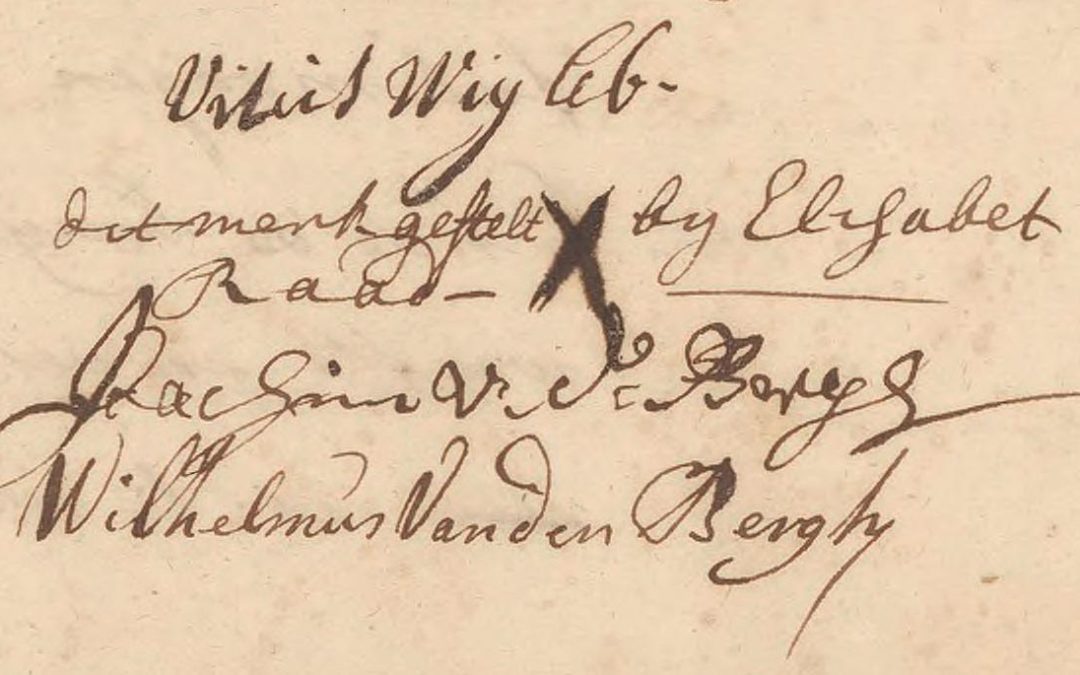
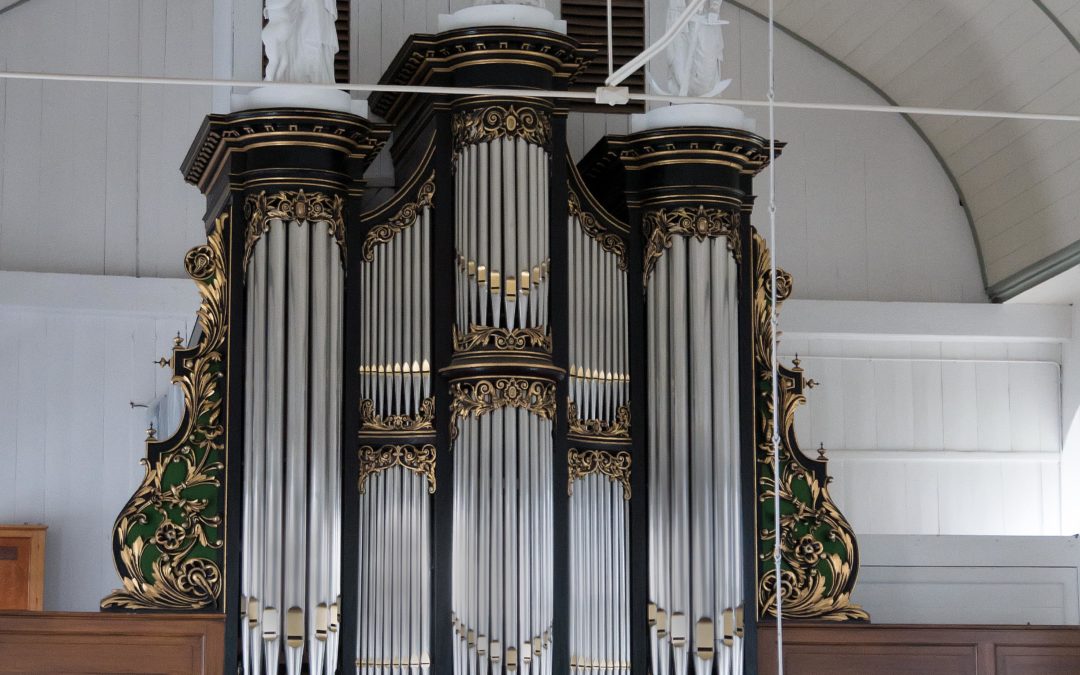
The Amsterdam organ maker Vitus Wiegleb (1699-1748) has until now received little attention. The most substantial contribution is by Peter van Dijk, published in his two articles on the choir organ in the Grote Kerk in Culemborg. New information, partly made...
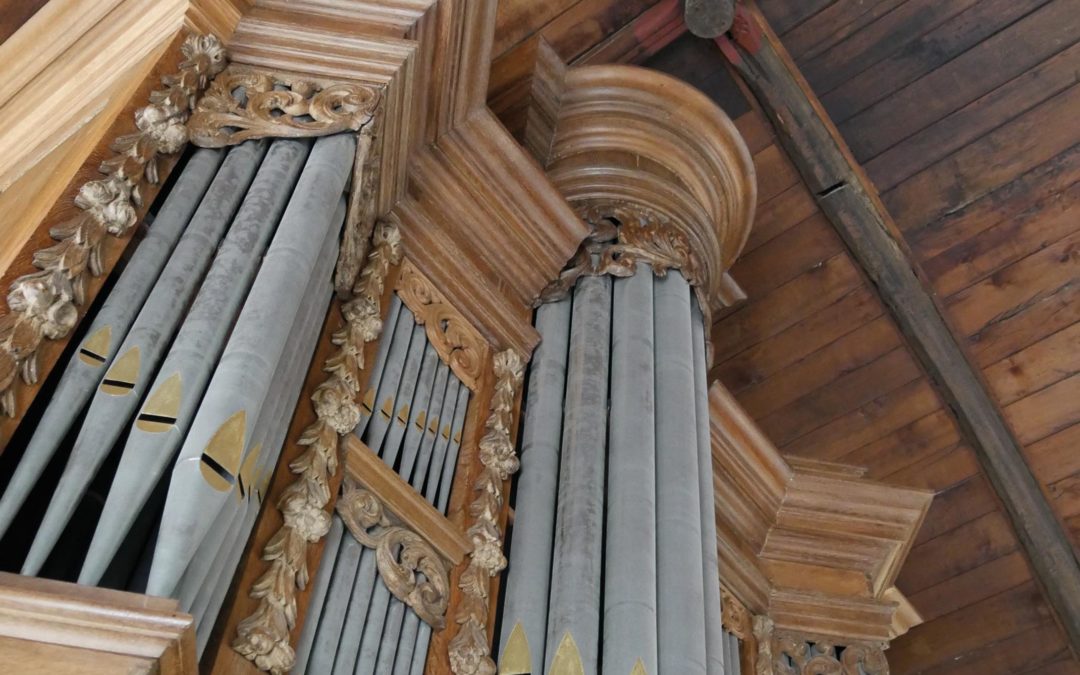
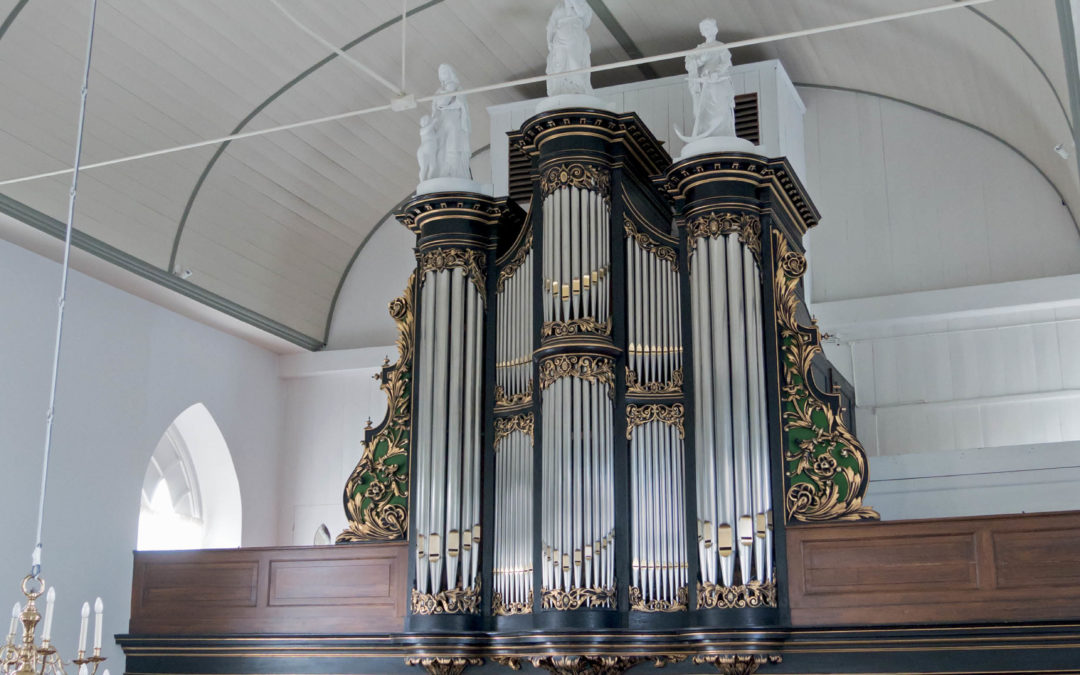
In 2021 the 16th-century Johanneskerk in Laren was enriched with a ‘new’ organ. This was the church’s fifth organ. The first was placed in 1866, very probably by the organ makers Knipscheer of Amsterdam. It was a second-hand cabinet organ that served for more than...
The Dutch première of the Basler Psalmen, composed by Daan Manneke in 2019, was on 25 September, 2021, in the Westerkerk in Amsterdam. Despite the small size of the audience, we can still view this performance as an important event in the history of modern Dutch...
In 2019 the Kathedrale Domkerk in Basel existed for a thousand years. For this occasion Daan Manneke composed the Basler Psalmen, an organ work in 7 movements on Genevan psalm melodies. The Dutch première was in September 2021, in the Westerkerk in Amsterdam;...
Jan Welmers died on Monday, March 7, in Bunnik. Though he was robust and lively, he finally lost the battle against the illness that had been discovered last year. The burial was on March 14, preceded by a service in the Nicolaïkerk in Utrecht, in which texts and...
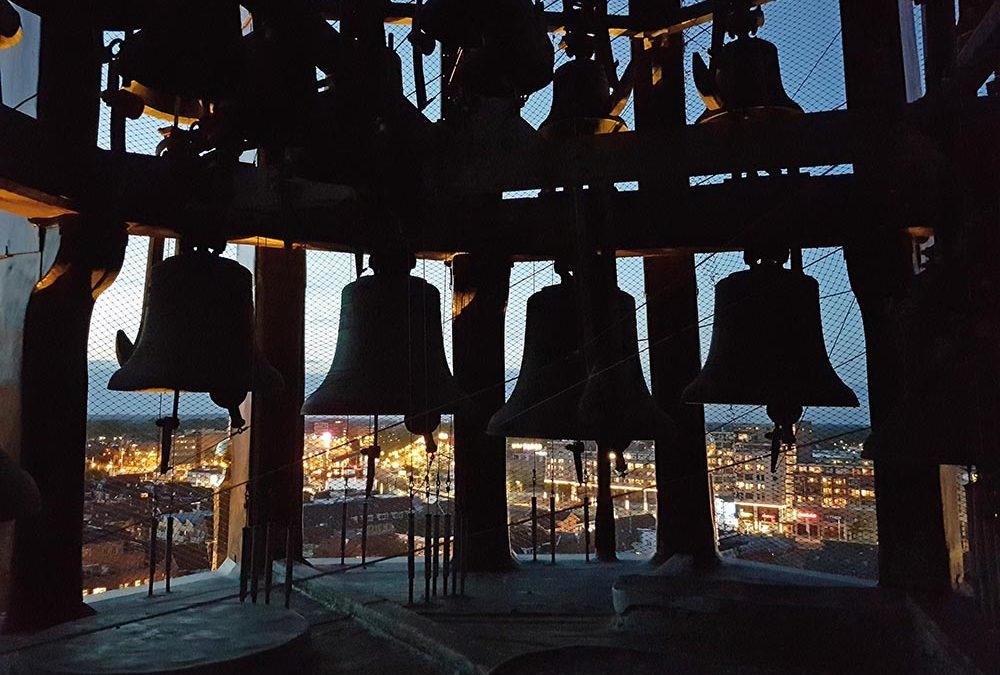
The carillon is a characteristic feature of the Low Countries. Nowhere else in the world is the number of carillons per square kilometer so great as in The Netherlands and Flanders: there are more carillons in these 2 countries than in the whole of the United...
In response to the César-Franck-year 2022, this series of articles considers the current state of organ composing in France. Part 2 treats a pair of composers who, without being conservative, stand close to the tradition of the music of the first half of the 20th...
This article treats the origins and characteristics of the North-German chorale-fantasia. What was the purpose of these intriguing compositions? Although the chorale-fantasias are all different, the similarities are too striking to be ignored. There were...
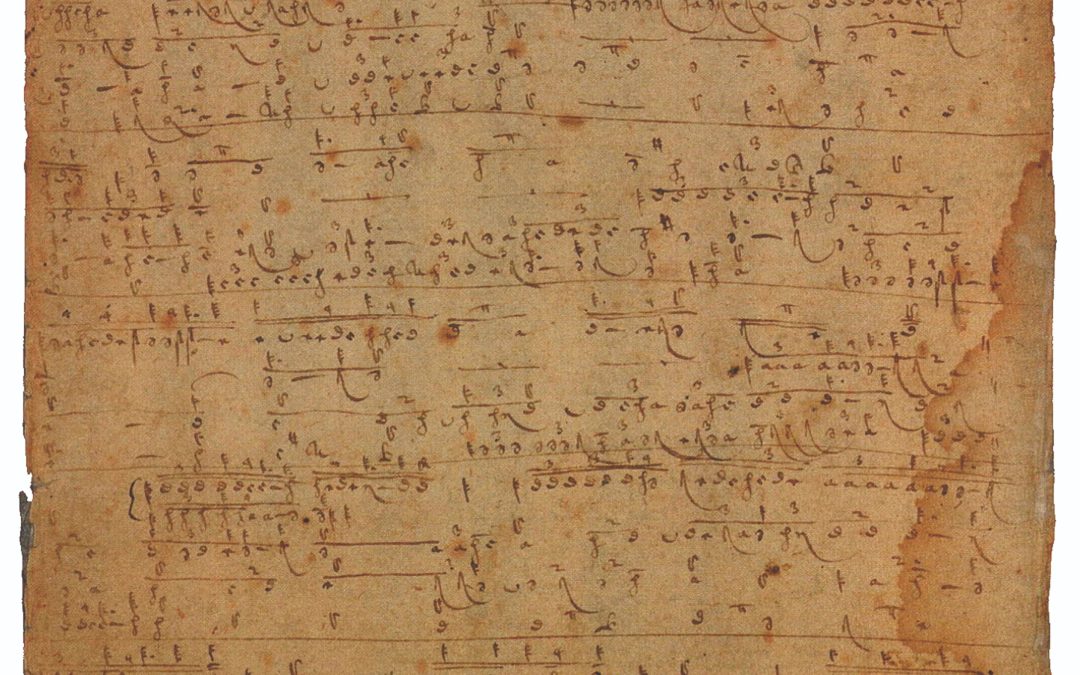
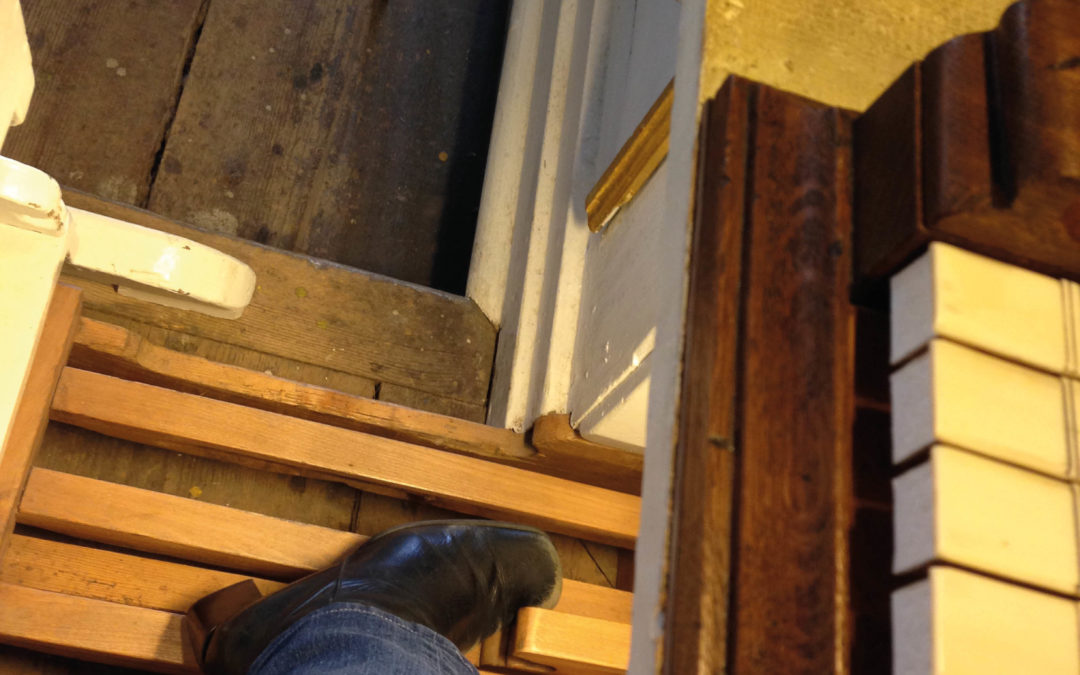
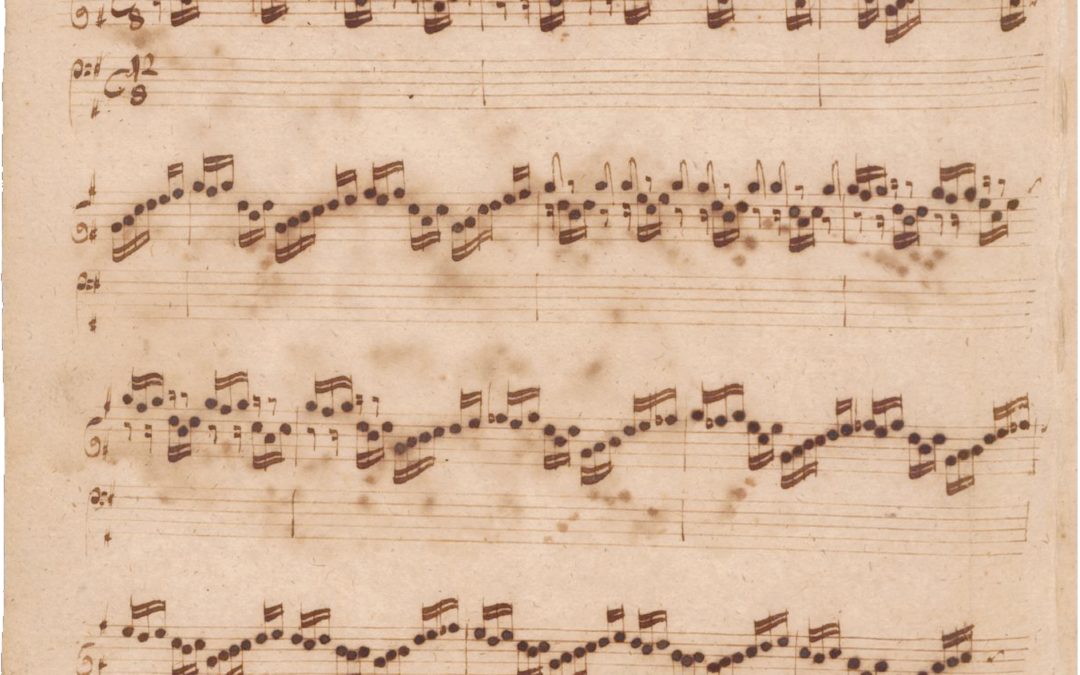
One of the frequently discussed subjects in historically informed performance practice is the pedaling of the organ works of Johann Sebastian Bach. In the last three decades there have been publications by Jon Laukvik , Ewald Kooiman, and Stef Tuinstra, who discussed...
The organ builders Bakker & Timmenga completed the restoration of the Friedrich Leichel organ in the Lambertuskerk in Arum in October 2021. Theo Jellema was the consultant. In preparing this restoration he carried out thorough (archival) research into the organ...
The May issue of Het Orgel opens with the second article by Theo Jellema on the Friedrich Leichel organ in the Lambertuskerk in Arum. In this final part he discusses the recent restoration and gives a few comments as a player and listener. In the week that this issue...
This year, 2022, is a César-Franck year. The composer was born 200 years ago. The nature and quality of his organ works opened then untraveled roads and set a new standard. His influence was so great that he is considered the father of the modern French organ...
Although Jacobus François Moreau lived and worked in Holland, Auke H. Vlagsma omitted him from his thesis Het ‘‘Hollandse” orgel in de periode van 1670 tot 1730 (Alphen aan den Rijn, 1992). Only the design of the case of his organ in the St.-Janskerk in Gouda was...
The organ builders Bakker & Timmenga completed the restoration of the Friedrich Leichel organ in the Lambertuskerk in Arum in October 2021. Theo Jellema was the consultant. In preparing this restoration he carried out thorough (archival) research into the organ...
In October 2021 Orgelmakerij Bakker & Timmenga completed the restoration of the Friedrich Leichel organ in the Lambertuskerk in Arum. Theo Jellema, consultant for this project, did (archival) research on the organ history of Arum. The result can be read in the...
After a period in which, as heritage of the 19th century, legato playing was the norm, organists beginning around the 1980s adopted non-legato playing as the standard. Reconsidering this development gives occasion for some greater nuances, particularly because the...
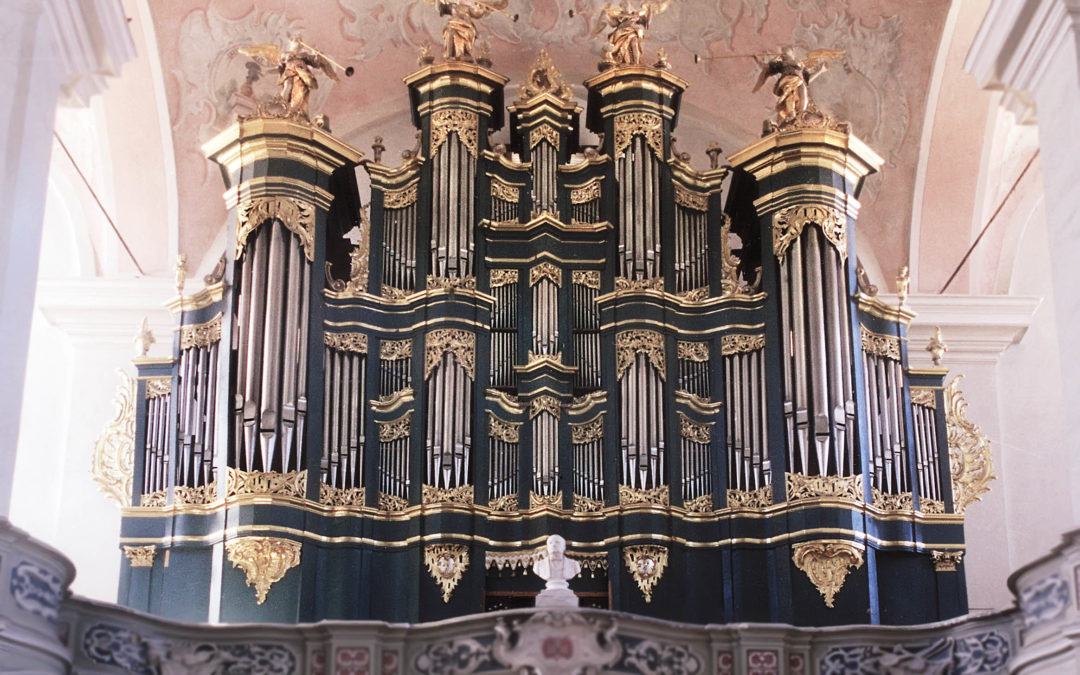
In the first of two articles the author discussed the origin of the late baroque organ building school of Vilnius, with special attention to organ building master Gerhardt Arendt Zelle and his circle. If we may consider Gerhardt Arendt Zelle as the founder of the...
Frans Jespers: Developments in the style of the organ makers Smits (I) The instruments of the Noord-Brabant organ builders Smits are not easy to categorize. The Smitses took pride in the fact that they had taught themselves and thus could maintain their own...