A forgotten performance practice in romantic music
The Fantasie und Fuge über den Choral “Ad nos, ad salutarem undam“ is not only the earliest organ work of Franz Liszt (1811-1886), but is also his longest, technically most demanding, and musically most complex. This composition, on a theme from the opera LeProphète...
The 53d International Improvisation competition in Haarlem
On 21, 23, and 24 July, 2021, the International Improvisation competition in Haarlem took place, 3 years after the previous competition because the competition was cancelled last year due to the corona virus. Four Germans, one Swiss, one Italian, one American, and...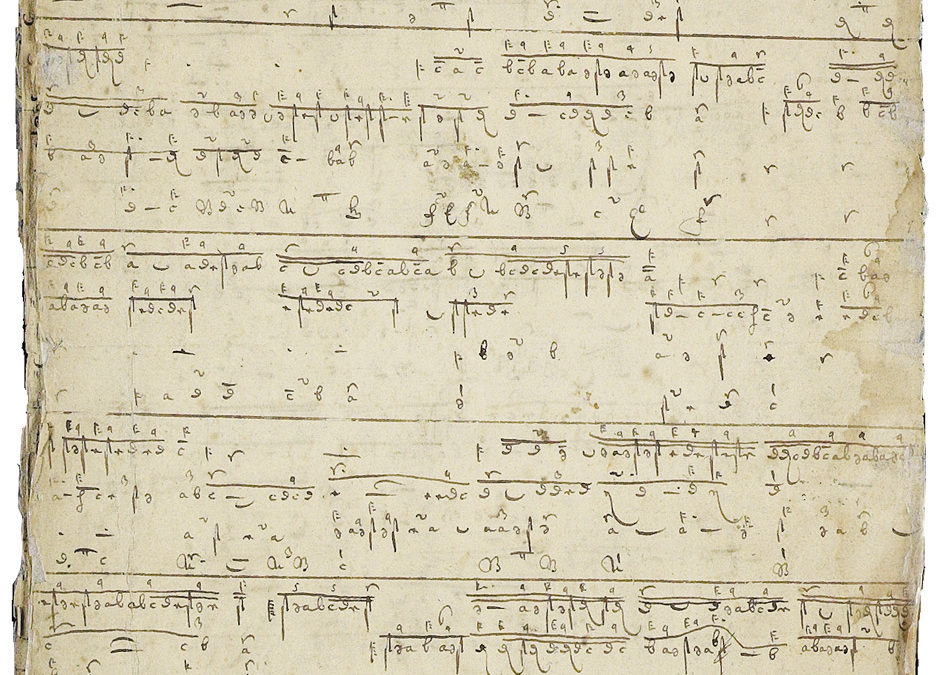
‘Des verwegenen Menschen Portrait’ The relation between text and music in Johann Adam Reincken’s An Wasserflüssen Babylon
The organist, harpsichordist, and composer Johann Adam Reincken (bapt. 1643-1722), a pupil of a pupil of Jan Pieterszoon Sweelinck, was born, just as Sweelinck himself, in Deventer. Two of Reincken’s teachers, Lucas van Lenninck and Heinrich Scheidemann, had been...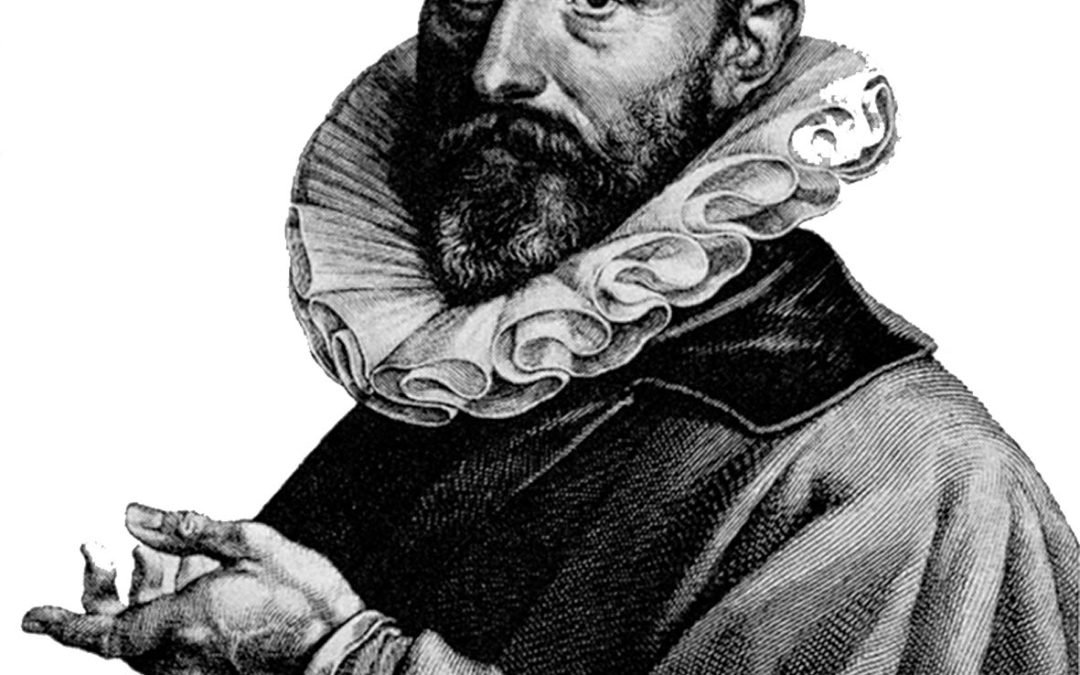
Sweelinck’s Ricercar
Jan Pieterszoon Sweelinck is one of the few keyboard composers who treated the organ and strung keyboard instruments, in his case the harpsichord, equally. The only composer who can be compared with him in this is Johann Sebastian Bach. Although the sources do not...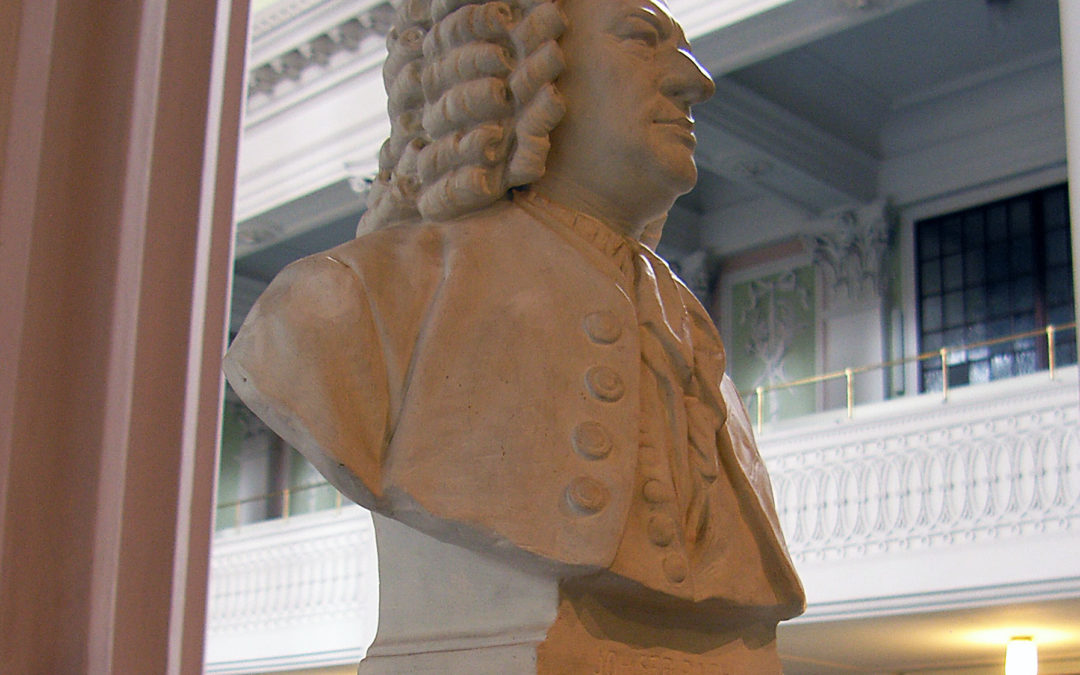
Accent shifts in triple meter in Johann Sebastian Bach’s music
Classical music is usually notated in regular time signatures. Closer study shows that the accents sometimes diverge from this regularity. The harmonic pulse can change from half to whole measures, and if the measures are short sometimes even to groups of four...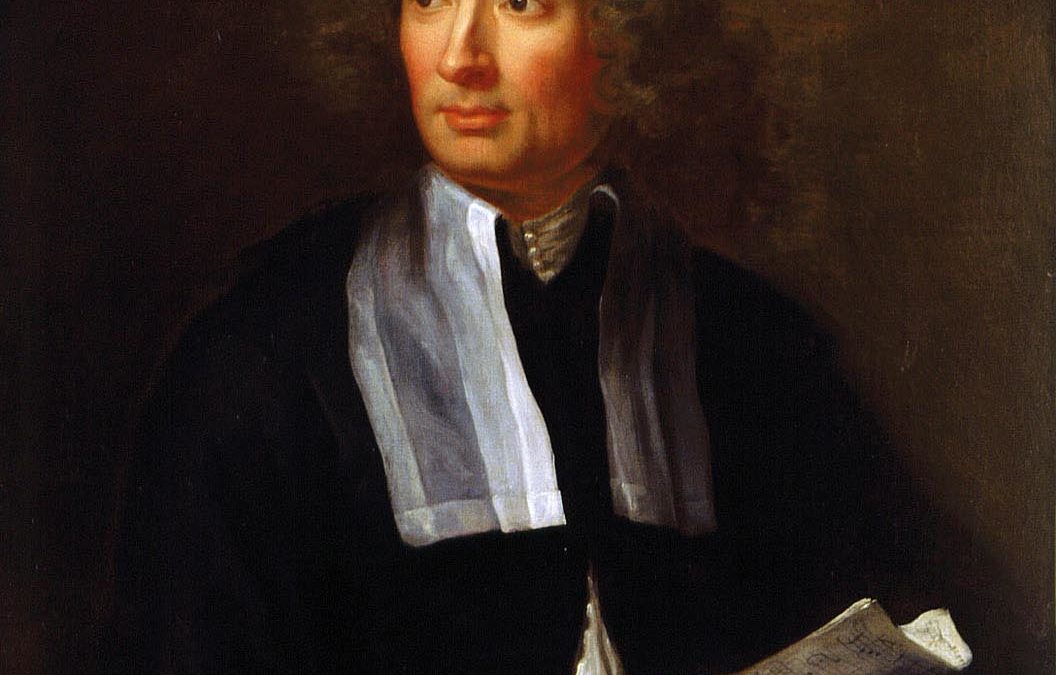
Bach rethinks Corelli. Some thoughts about the double fugue in b (BWV 579) for organ
In all probability the double fugue in b (BWV 579) for organ should be considered among the earliest organ works of Johann Sebastian Bach, dating from before his appointment as organist of the Blasiuskirche in Mühlhausen in 1707. The double subject is taken from the...
The Ciaconna in e by Dieterich Buxtehude is too short. The number of variations in works with ostinato basses in the 17th and 18th centuries in Germany
One would expect that the number of variations in ciaconnas and passacaglias in the 17th and 18th centuries would be fairly regular. Maybe that is based on all the speculative orderings that have been sought in the greatest of all passacaglias, that by Johann...
A new edition of ‘PSALMEN voor orgel’ by Cor Kee
The oeuvre of Cor Kee (1900-1997) is extensive and varied. Thanks to his open ears he was always renewing himself, often to the surprise of many. Before 1935 he wrote, under his own name or under the pseudonym ‘Orgelius’, dozens of arrangements, introductions,...
Bach’s Die Kunst der Fuge and the Nicene-Constantinopolitan Creed
Of Die Kunst der Fuge there exist an autograph and a print published after Bach’s death. The autograph originally consisted of 12 pieces, written on 4 folded double sheets and 1 folded single sheet, from ca. 1742. The last 3½ pages were originally empty. On these, and...
Structural use of sound and dynamics, illustrated from the perspective of making music on the organ
On Saturday 23 February, 2019, Klaas Hoek defended his doctoral dissertation on “Vormgevend gebruik van klank en dynamiek” in Franeker. The performance of Bach’s Johannes Passion was discussed as an autonomous æsthetical phenomenon. He did his research at the...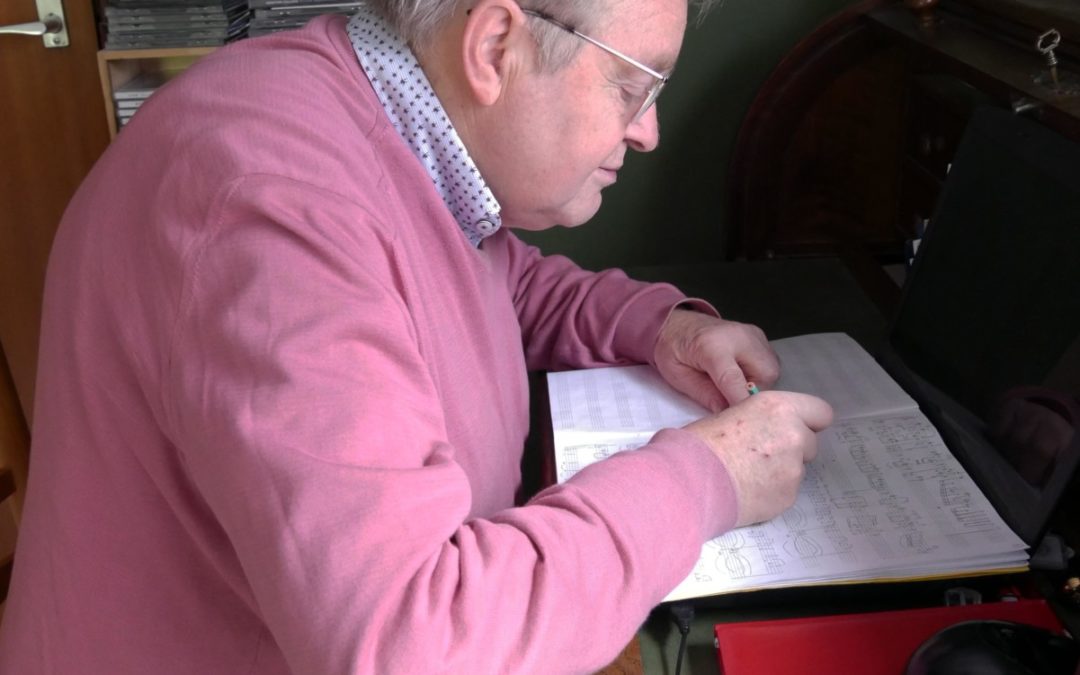
‘His darkness is light’ – On ‘Jochen Klepper gewidmet’ by Johan G. Koers
Johan G. Koers got the idea for composing Jochen Klepper gewidmet in Advent of 2013. The preacher of the Doopsgezinde kerk in Heerenveen asked him to provide a short message about the song ‘De nacht is haast ten einde’ {The night has almost ended}, that Jochen Klepper...