
Franz Schmidt: 150th Anniversary Retrospective, Part 2
by Tjeerd van der Ploeg |Het ORGEL |Year 121 |(2025) |Issue 1| Categorie No category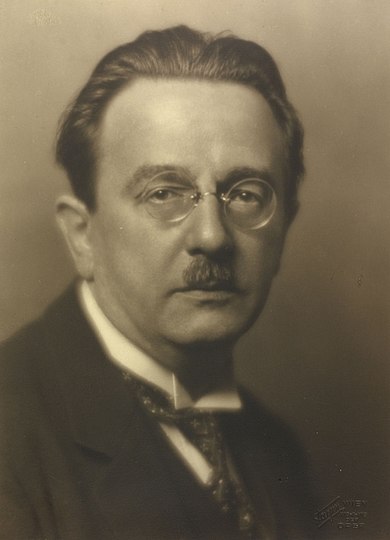
Following our overview of Franz Schmidt’s life and musical influences in Part 1, we now explore his distinctive views on organ composition. The late nineteenth century saw two competing movements in German music: the progressive Neudeutsche Schule of Franz Liszt and Richard Wagner, who challenged traditional forms through programmatic music, and the conservative approach championed by Johannes Brahms and Josef Rheinberger, who remained faithful to Bach-style counterpoint and classical forms. While Max Reger merged these traditions, Schmidt charted his own course. Despite his admiration for his contemporary Reger, Schmidt held firm convictions about organ music. He rejected the modern German concert organ’s orchestral effects and contemporary innovations like swells, advocating instead for a pure, traditional sound rooted in polyphonic principles. His compositions, which came late in his career, emphasize contrapuntal clarity over dramatic effects. Organist Franz Schütz, to whom Schmidt dedicated numerous works, played a crucial role in promoting his organ compositions. This article examines Schmidt’s major organ works, with QR codes linking to YouTube performances of each piece.